Understanding the Basics
What Makes Worm Castings Special
Worm castings are the solid, dark, crumbly material that comes from worm bins. Think of them as the ultimate slow release fertilizer that also happens to improve soil structure, water retention, and microbial life. They're gentle enough to use on the most delicate seedlings but powerful enough to transform depleted soil.
Here's what makes them awesome: castings release nutrients gradually over weeks and months. Plants take what they need when they need it. No risk of burning, no waste. Plus, they're loaded with beneficial bacteria and enzymes that keep soil healthy and disease free.
The Deal with Worm Tea
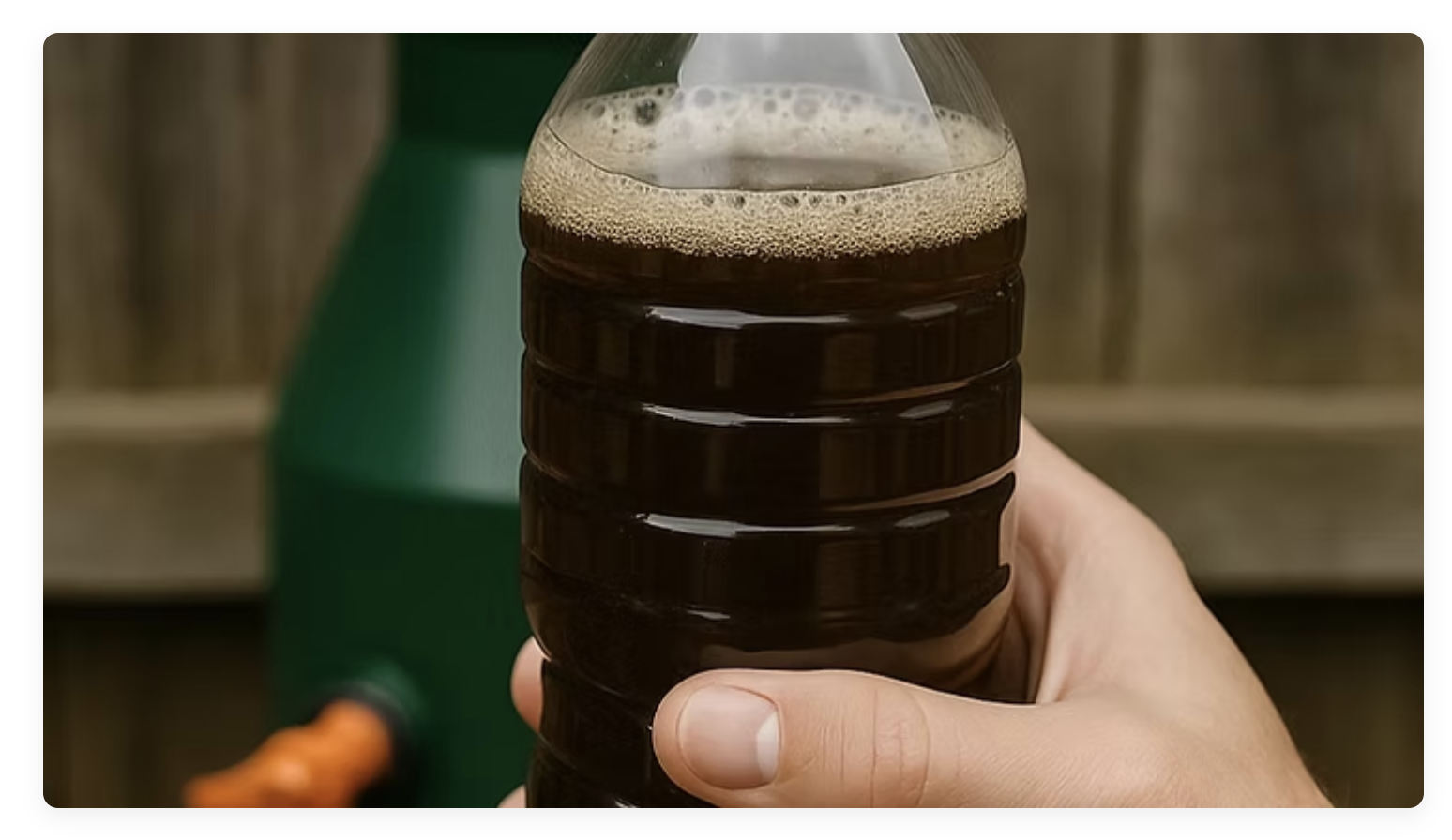
Worm tea is a liquid extract made by steeping worm castings in water (usually with added molasses and aeration). It's like making a super concentrated nutrient drink for plants. The brewing process multiplies beneficial microorganisms by the millions, creating this incredible liquid teeming with life.
The big advantage? Worm tea delivers nutrients and beneficial microbes directly to plant roots or leaves in a form they can use immediately. It's fast acting, easy to apply, and one cup of castings can make gallons of tea.
Speed: Fast Action vs Long Game
Worm Tea: The Quick Fix
When plants need help NOW, worm tea is the answer. Within days, gardeners typically see results:
- Stressed plants perk up and regain their color
- New growth kicks into high gear
- Disease pressure decreases as beneficial microbes colonize leaf surfaces
- Nutrient deficiency symptoms start reversing
Many suburban gardeners keep a batch brewing during peak growing season specifically for these quick rescue missions. It's like having plant first aid always ready.
Worm Castings: The Marathon Runner
Castings work on a completely different timeline. When someone works them into soil, they're setting up a nutrient bank that plants can draw from for months. The benefits build over time:
- Soil structure improves gradually, getting looser and more workable
- Water retention increases, meaning less frequent watering
- Beneficial microbial populations establish themselves permanently
- Nutrients continue releasing slowly throughout the entire growing season
This is the foundation of great soil. Gardens that get regular casting amendments become easier to manage year after year.
Application Methods: Solid vs Liquid
How Gardeners Use Castings
Worm castings are super versatile as a solid amendment:
- Mixed into Soil: Work 1 to 2 inches of castings into the top 6 inches of garden beds. This is the gold standard for annual bed prep.
- Potting Mix: Add 10 to 20 percent by volume when mixing soil for containers. Container plants especially benefit from the water retention boost.
- Top Dressing: Sprinkle a half inch layer around established plants monthly during growing season. It slowly works its way down with watering.
- Transplant Holes: Add a handful to every planting hole. This reduces transplant shock significantly.
- Seed Starting: Mix into seed starting mix at 20 percent for stronger, healthier seedlings from day one.

Worm Tea Application
Tea offers different application options:
- Soil Drench: Pour diluted tea (1:10 ratio) around plant bases. The nutrients and microbes get pulled down to root zones quickly.
- Foliar Spray: Spray diluted tea (1:20 ratio) directly on leaves early in the morning. This prevents diseases and feeds through leaf surfaces.
- Lawn Treatment: Apply with a hose end sprayer for even coverage across large areas without adding bulk.
- Seedling Watering: Use heavily diluted (1:30) when watering seedlings for gentle feeding.
- Hydroponic Systems: Add to nutrient solutions for beneficial microbes that prevent root diseases.
Coverage and Economy
Stretching Castings with Tea
Here's where tea really shines: one cup of castings can make 5 gallons of quality tea. For gardeners with limited casting supply, this is huge. That 5 gallons of tea can treat hundreds of plants or thousands of square feet of garden space.
This makes tea incredibly economical. Someone with a small worm bin can still provide benefits to a large suburban garden by brewing regular batches of tea throughout the season.
When Castings Make More Sense
If someone has abundant castings available (lucky them!), using them solid often makes more sense:
- No brewing time or equipment needed
- Longer lasting effects in the soil
- Improvement in soil structure that tea alone can't provide
- Set it and forget it – no need for weekly applications
Many experienced gardeners do both: work castings into beds in spring, then supplement with tea applications throughout summer.
Specific Use Cases: Which One When?
Choose Worm Tea For:
- Emergency Interventions: Plant looking sick? Spray with tea. Results show up fast.
- Disease Prevention: Regular foliar sprays create a protective barrier of beneficial microbes on leaf surfaces that outcompete pathogens.
- Houseplants: Tea is perfect for indoor plants where adding solid amendments isn't practical.
- Established Lawns: Applying castings to lawns is messy. Tea gives the same benefits without the hassle.
- Leafy Greens: Crops that grow fast and are harvested quickly benefit from tea's immediate availability.
- Hydroponic Growing: Can't use solids in hydroponics, but tea works great.
Choose Worm Castings For:
- New Garden Beds: Building soil from scratch? Work in lots of castings for long term success.
- Container Plants: Mix castings into potting soil for season long nutrition and improved water retention.
- Long Season Crops: Tomatoes, peppers, squash – anything growing for months benefits from castings' slow release.
- Soil Building: Improving clay or sandy soil? Castings physically change soil structure over time.
- Perennials: Plants that stick around for years thrive with casting amendments that keep giving.
- Tree and Shrub Planting: Mix castings generously into planting holes for woody plants. They'll appreciate it for years.
The Science Stuff: What's Actually Different?
Microbial Activity
Both are loaded with beneficial microorganisms, but they work differently:
Castings have diverse microbial populations that establish permanent colonies in soil. These populations continue growing and reproducing, creating a self sustaining beneficial ecosystem.
Tea has even higher concentrations of specific microbes that were multiplied during brewing. These provide an immediate population boom but may not establish permanent colonies. This is why tea works fast but needs regular reapplication.
Nutrient Profile
Both contain similar nutrients (NPK plus micronutrients), but in different forms:
Castings nutrients are bound in organic compounds that break down slowly. Plants access them as needed over weeks and months. No leaching, no waste.
Tea nutrients are partially dissolved and immediately available. Plants can absorb them quickly through roots or leaves, but they can also wash away with heavy watering or rain.
Making the Choice: The Practical Reality
Here's the honest truth most experienced gardeners have figured out: it's not really about choosing one or the other. The magic happens when both are used strategically.
The Ideal Approach
Most successful suburban gardeners do this:
- Spring: Work worm castings into all garden beds and containers as the foundation
- Throughout Season: Apply worm tea every 1 to 2 weeks as a boost and disease preventive
- Mid Season: Top dress with more castings if supply allows
- Fall: Work castings into beds again before winter to build soil for next year
This combination provides both the long term soil building from castings and the quick nutrition from tea. Plants thrive under this regimen.
Limited Supply? Prioritize Wisely
If someone is short on castings (most beginners are), here's how to prioritize:
- Use solid castings in containers and for transplanting (where they'll have maximum impact)
- Make tea for foliar spraying and treating in ground beds (stretches the supply)
- Build up the worm bin population to increase future production
Storage and Shelf Life
This is an important practical consideration:
Castings can be stored for months if kept slightly moist in breathable containers. They'll gradually lose potency but remain beneficial for a long time. Many gardeners stockpile castings during winter when the worm bin is most productive.
Tea must be used within 4 hours of brewing (for aerated tea). The beneficial microbes start dying off quickly without oxygen. This means someone can't make it ahead – they need to brew it when they're ready to use it.
The Bottom Line
Both worm castings and worm tea are incredible tools for suburban gardeners. Castings provide long term soil health, structure improvement, and sustained nutrition. Tea offers quick results, disease prevention, and the ability to stretch limited supplies.
The best approach? Use both! Work castings into soil for the foundation, then supplement with regular tea applications throughout the season. This combination creates gardens that are healthier, more productive, and more resilient to problems.
And hey, share the knowledge with neighbors through the MyHarvst app! Once people in the neighborhood see what these amendments do for gardens, there'll probably be a community worm composting movement starting up. That's how suburban garden communities get built.