The Basics
What exactly are worm castings?
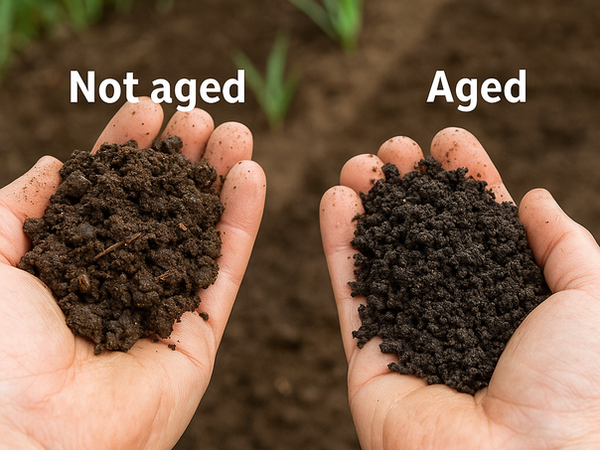
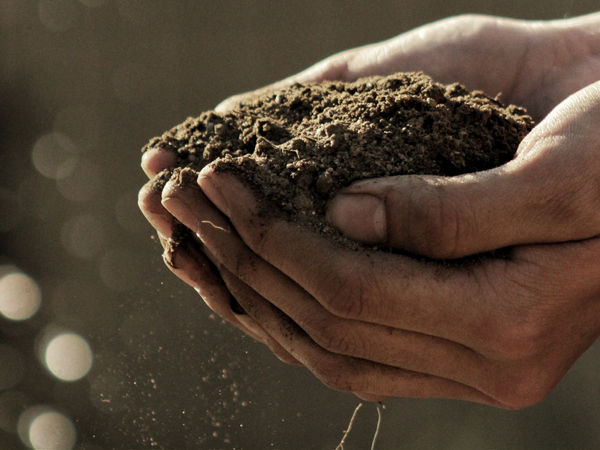
Okay, so worm castings are basically worm poop. But calling them that doesn't do them justice! They're this incredibly rich, dark, crumbly material that worms produce after digesting organic matter. Think of it as nature's perfect fertilizer, packed with nutrients, beneficial microbes, and enzymes that plants absolutely love.
What makes them special is that they're in a form that's immediately available to plants, but they won't burn roots like synthetic fertilizers can. It's kind of amazing.
And worm tea is...?
Worm tea (also called vermicompost tea) is a liquid fertilizer made by steeping worm castings in water. Some gardeners add molasses and use an aquarium pump to brew it with oxygen, which encourages beneficial microbes to multiply like crazy. The result is this dark, nutrient rich liquid that can be applied directly to soil or sprayed on plant leaves.
Think of it like making tea, but instead of tea leaves, someone is using worm castings. And instead of drinking it, they're feeding it to their plants. Much better use, honestly.
Are they the same thing in different forms?
Not exactly! While worm tea is made from worm castings, they work differently in the garden. Castings are a solid amendment that someone works into soil for long term benefits. Worm tea is a liquid that provides quick nutrients and can be used as a foliar spray or soil drench. They complement each other really well.
Making and Using Them
Can someone make worm castings at home?
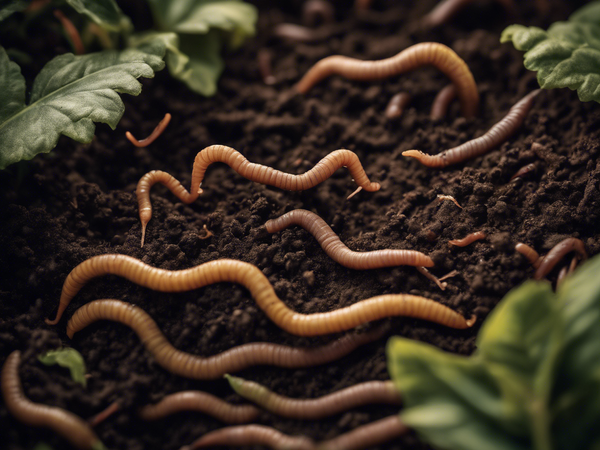
Absolutely! All it takes is a worm bin, some red wiggler worms, and kitchen scraps. It's actually way easier than most people think. The worms do all the work – gardeners just feed them veggie scraps, coffee grounds, and shredded paper, then harvest the castings every few months. Many suburban gardeners love it because they're turning trash into garden gold.
Plus, worm bins don't smell (if maintained properly) and can fit under a kitchen sink or in a garage. They're perfect for suburban homes.
How do you make worm tea?
There are two main methods:
Simple Method (Non aerated): Put a cup of worm castings in a bucket with a gallon of water. Let it sit for 24 to 48 hours, stirring occasionally. Strain out the solids and use the liquid right away. Super easy but less microbial activity.
Aerated Method (Actively Aerated Compost Tea): Use a 5 gallon bucket with dechlorinated water, add 2 cups of worm castings and a tablespoon of unsulfured molasses. Use an aquarium pump with an air stone to bubble oxygen through it for 24 to 36 hours. This method creates a microbial powerhouse that's amazing for plants.
Most experienced gardeners swear by the aerated method because the results are noticeably better.

How often should worm castings be applied?
The beauty of worm castings is that someone literally cannot overdo it. They're gentle enough to use as often as desired! That said, here are some common schedules:
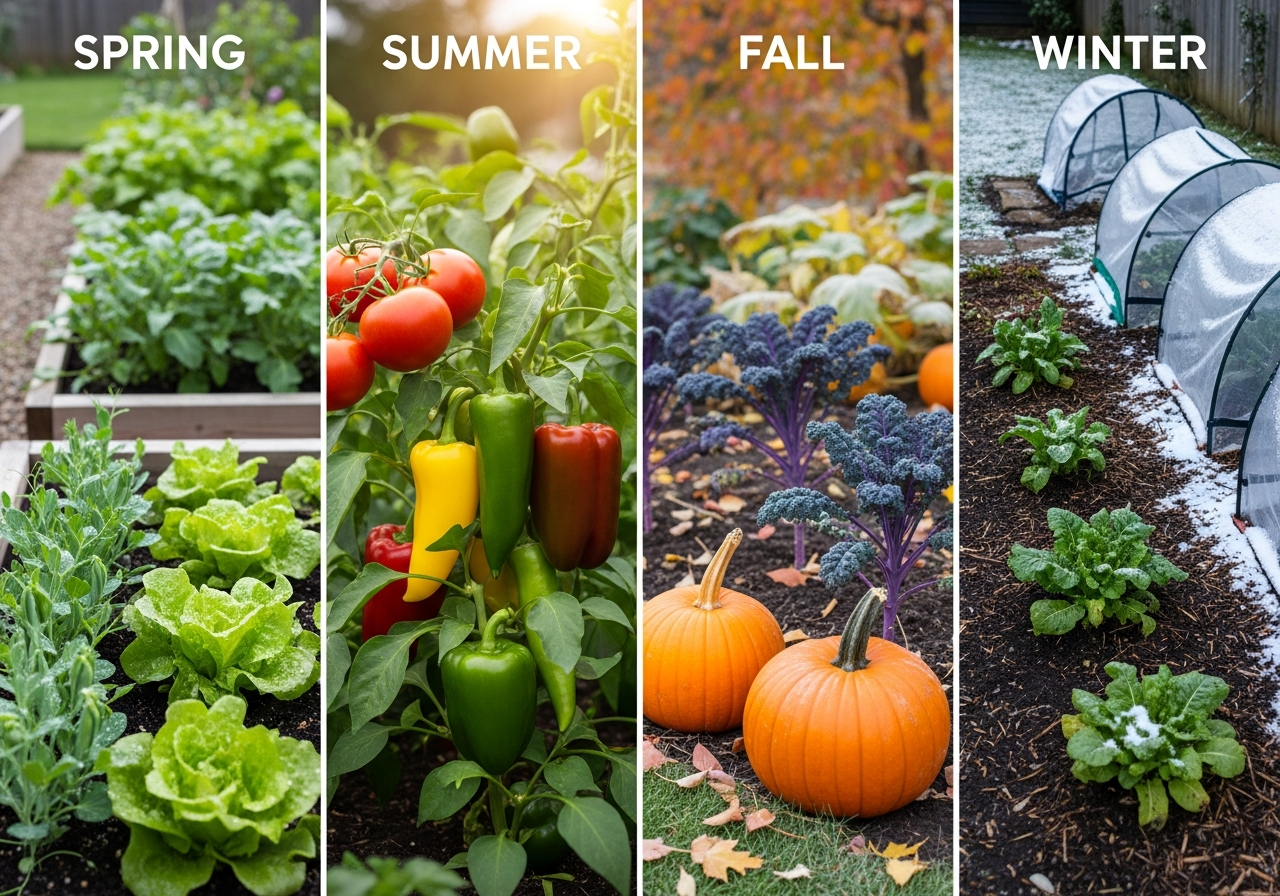
- Annual application: Work castings into garden beds in spring, about 1 to 2 inches mixed into the top 6 inches of soil.
- Monthly top dressing: Add a thin layer around plants during the growing season.
- Transplanting: Mix into the planting hole every single time. It really helps with transplant shock.
- Potted plants: Add about 10 to 20 percent by volume when mixing potting soil, or top dress every month or two.
What about worm tea application?
Worm tea should be used within 4 hours of brewing (for aerated tea) because beneficial microbes start dying off quickly without oxygen. Here's how gardeners typically use it:
- Soil drench: Pour it around the base of plants, diluted 1:10 with water (one part tea to ten parts water). Do this every 2 weeks during growing season.
- Foliar spray: Strain it really well, dilute 1:20, and spray on leaves early in the morning. This helps prevent diseases and gives plants a quick nutrient boost. Weekly during active growth works great.
- Seedlings: Dilute heavily (1:30) and use when watering seedlings for gentle feeding.
Which One Should Be Used When?
When are castings the better choice?
Worm castings shine in these situations:
- Building long term soil health and structure
- Starting a new garden bed or refreshing existing ones
- Mixing into potting soil for containers
- When someone wants a "set it and forget it" solution that keeps feeding plants for months
- For plants that need slow, steady nutrition like tomatoes, peppers, and fruit trees
Basically, castings are the foundation. They improve soil structure, water retention, and provide nutrients over time.
When is tea the better option?
Worm tea is ideal for:
- Quick nutrient boosts for plants that look stressed or hungry
- Foliar feeding to prevent diseases and pests (the beneficial microbes create competition)
- When someone doesn't have enough castings to spread around – tea stretches them further
- Feeding lawns without adding bulk organic matter
- Watering houseplants – it's gentle and won't build up salts like synthetic fertilizers
Think of tea as the quick boost while castings are the marathon runner.
Can both be used together?
Yes! And many experienced gardeners do exactly that. They work worm castings into soil for long term benefits, then supplement with worm tea applications throughout the growing season for quick nutrition and disease prevention. It's like a one two punch that plants absolutely thrive on.

Common Concerns
Can worm castings or tea burn plants?
Nope! This is one of the best things about them. Unlike synthetic fertilizers or even fresh compost, worm castings and tea won't burn plants even if someone goes a bit overboard. The nutrients are in a gentle, plant friendly form. It's basically impossible to mess up.
Do they smell bad?
Good quality worm castings smell earthy and pleasant, like rich soil after rain. If they smell bad, something went wrong in the worm bin (usually too wet or anaerobic conditions). Properly made worm tea should smell earthy and slightly sweet from the molasses. Never like sewage or rotten eggs!
How long do they last?
Worm castings can be stored for months if kept slightly moist in a breathable container. They'll gradually lose some potency, but they're still beneficial even after a year.
Worm tea is different – use it right away! Aerated worm tea should be applied within 4 hours of brewing. The beneficial microbes start dying off once aeration stops. Non aerated tea can sit for 24 to 48 hours max.
Are they worth the effort compared to store bought fertilizers?
Here's the honest truth: Yes, absolutely. But they serve different purposes. Synthetic fertilizers give plants nutrients, but that's it. Worm castings and tea feed plants AND improve soil health AND introduce beneficial microbes AND improve water retention AND help suppress diseases.
Plus, if someone makes their own, they're essentially free (after initial worm bin setup). And there's something really satisfying about creating this incredible garden input from kitchen scraps. Many suburban gardeners get totally hooked once they see the results.
Can they be used in organic gardening?
Absolutely! Worm castings and tea are completely organic and accepted in organic farming. They're one of the most natural fertilizers available. In fact, they're better than "organic" fertilizers from the store because there's zero processing or additives.
Getting Started
What if someone doesn't have a worm bin yet?
No problem! Worm castings are available at most garden centers and online. Look for quality brands that guarantee pure castings without fillers. It's a great way to experience the benefits while deciding whether to start vermicomposting at home.
Once gardeners see what these castings do for their plants, many end up starting their own worm bin because the demand just keeps growing!
Any final tips for beginners?
Start simple! Try adding worm castings to a few plants and see the difference. Make a basic batch of non aerated worm tea and test it out. Keep notes on what happens – many gardeners are blown away by how much faster their plants grow and how much healthier they look.
And don't be afraid to ask other gardeners in the community! The MyHarvst app is perfect for connecting with local gardeners who vermicompost. They can share tips, tricks, and maybe even some starter worms or castings.
The Bottom Line
Both worm castings and worm tea are incredible for suburban gardens. Castings build long term soil health, while tea provides quick boosts and disease prevention. Used together, they create this amazing environment where plants just thrive.
The best part? They're sustainable, can be made at home, and actually improve the garden ecosystem instead of just feeding plants. That's a win all around.