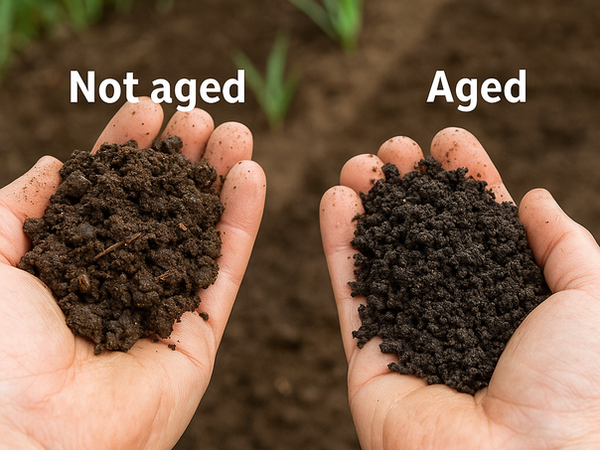
What Actually Happens During Aging?
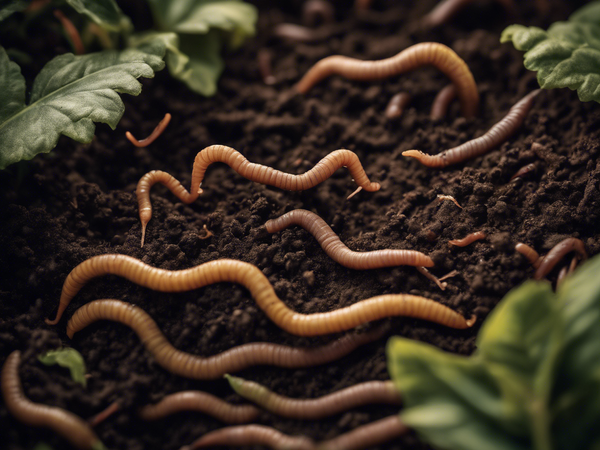
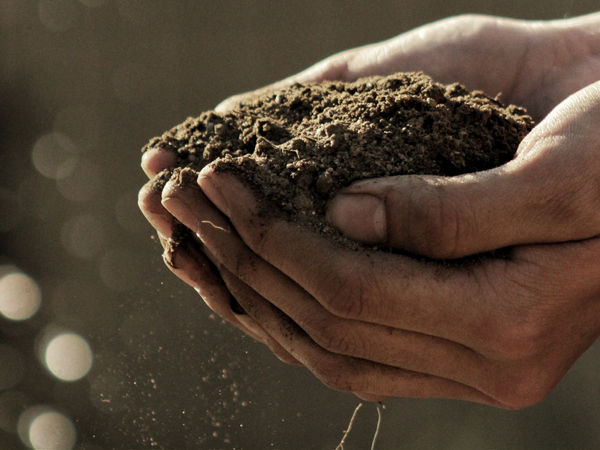
When worm castings sit for a few weeks or months, they're not just getting older. There's actually some pretty interesting stuff going on in there. The beneficial microbes continue multiplying, organic matter breaks down even further, and nutrients become more stabilized.
Think of it like composting's cool younger sibling. Fresh castings are amazing right out of the worm bin, but aged castings have had time to mellow out and develop this incredible microbial diversity that plants absolutely love.
Fresh Worm Castings: The Quick Hit
Fresh castings are like the espresso shot of the soil amendment world. They're packed with immediately available nutrients and active enzymes. Here's what makes them special:
When Fresh Works Best
- Seed Starting: Fresh castings mixed into seed starting mix give seedlings a gentle nutrient boost without overwhelming them. The nutrients are readily available right when those baby plants need them most.
- Transplanting: When moving plants to bigger containers or into the garden, fresh castings in the planting hole help reduce transplant shock. Many gardeners swear by this technique.
- Quick Fixes: Got a plant that's looking a bit sad? Fresh castings as a top dressing can provide a quick nutrient boost. It's not magic, but it's pretty close.
- Making Worm Tea: Fresh castings tend to make more potent worm tea because they have higher populations of active microorganisms. Perfect for foliar feeding.
Things to Watch Out For
Fresh castings are generally safe, but there are a couple of things experienced gardeners have learned:
- Moisture Content: Fresh castings can be pretty wet, which is fine but might affect soil drainage if someone uses a ton of them. Mix them well with other amendments.
- pH Fluctuations: Very fresh castings might still be settling into their final pH. Most of the time this isn't an issue, but with sensitive plants, some gardeners prefer to let them age a bit.
- Worm Cocoons: Fresh castings might contain worm eggs. This is actually awesome if someone wants more worms in their garden beds, but not ideal for indoor potted plants.
Aged Worm Castings: The Slow and Steady Winner
Aged castings have been sitting for at least 2 to 3 months, and during that time they've transformed into something even more beneficial. The nutrient profile stabilizes, beneficial bacteria populations explode, and everything just kind of settles into this perfect balance.
Benefits of Aging
- Stable Nutrient Profile: Nutrients are in forms that release slowly over time. This means plants get a steady supply rather than a big hit all at once. It's the difference between a marathon and a sprint.
- Massive Microbial Population: The beneficial bacteria and fungi have had time to really multiply. This leads to better disease suppression and improved nutrient cycling in the soil.
- Better Consistency: Aged castings are more uniform and easier to blend into potting mixes or spread evenly in the garden. They're also typically drier and less clumpy.
- No Surprises: Any potential issues with pH or excess enzymes have long since stabilized. Aged castings are basically foolproof.
Best Uses for Aged Castings
- Potting Mix Amendment: Mix aged castings into potting soil at about 10 to 20 percent by volume. They improve soil structure and provide long term nutrition.
- Garden Bed Preparation: Work aged castings into garden beds before planting. They'll continue feeding plants throughout the entire growing season.
- Perennial Plants: Roses, fruit trees, and other perennials benefit from the slow release nutrients that aged castings provide. One application can last for months.
- Indoor Plants: Aged castings are perfect for houseplants because they're stable, won't attract pests, and release nutrients gradually.
The Aging Process: How Long is Long Enough?
So how long should gardeners let their castings age? It really depends on what they're planning to use them for:
- 2 to 4 Weeks: Minimum aging time. Good for most applications. The castings have stabilized but still maintain high microbial activity.
- 2 to 3 Months: Sweet spot for aged castings. Maximum microbial diversity, completely stable nutrient profile, perfect for potting mixes.
- 6+ Months: Super aged castings are incredibly stable and amazing for long term soil building. Some nutrient content may decrease, but the soil structure benefits are phenomenal.
Storage Tips for Aging Castings
If gardeners want to age their castings properly, here's what works best:
- Keep Them Slightly Moist: Not wet, not bone dry. Think damp sponge. This keeps beneficial microbes alive and active.
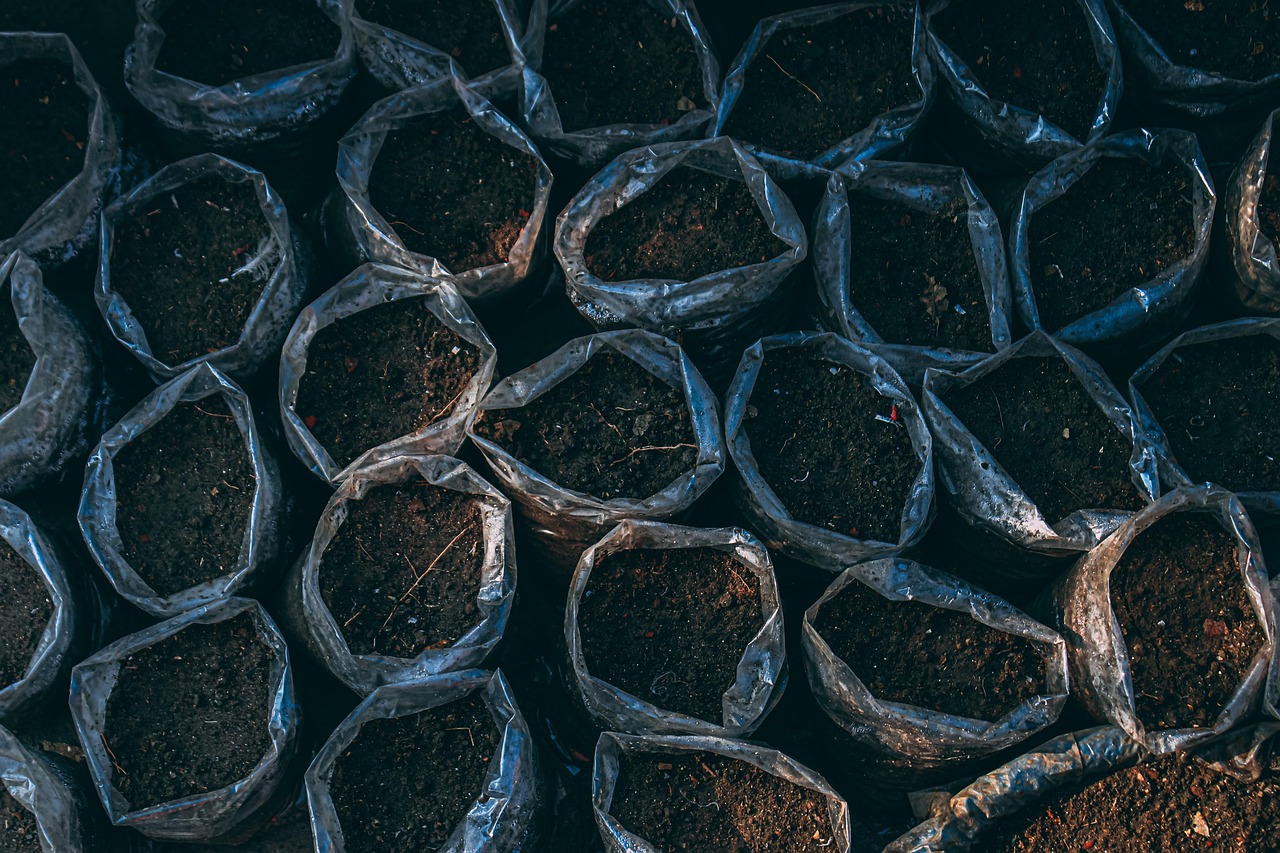
- Air Flow Matters: Store in breathable containers or bags. Beneficial microbes need oxygen to thrive. Plastic buckets with holes drilled in the sides work great.
- Cool and Dark: A garage or shed is perfect. Extreme heat or cold can affect microbial populations.
- Turn Occasionally: Give them a stir every few weeks to ensure even aging and prevent anaerobic pockets from developing.
Can You Mix Fresh and Aged?
Absolutely! Many experienced gardeners actually prefer mixing the two. Fresh castings provide that quick nutrient boost, while aged castings offer long term benefits and superior microbial activity. It's like getting the best of both worlds.
A common ratio is 1 part fresh to 2 parts aged, but honestly, there's no wrong answer here. Both are beneficial, and plants will be happy either way.
The Bottom Line
Here's the truth: both fresh and aged worm castings are incredible for gardens. Fresh castings are amazing for quick applications like transplanting, seed starting, and making worm tea. Aged castings shine in potting mixes, long term soil building, and providing stable nutrition for perennials and container plants.
The best approach? Keep both on hand! Use fresh castings straight from the worm bin for immediate needs, and set some aside to age for future projects. That way, gardeners always have the right type ready when they need it.
And here's a pro tip: share the knowledge! Post tips about worm casting on the MyHarvst app, swap aging techniques with neighbors, and maybe even trade some of that black gold with other local gardeners. The community aspect makes everything more fun.
Garden with MyHarvst.
Download the MyHarvst app, share, sell or buy your community's growth for the season and connect with local gardeners and local farmers in your area.
Download MyHarvst