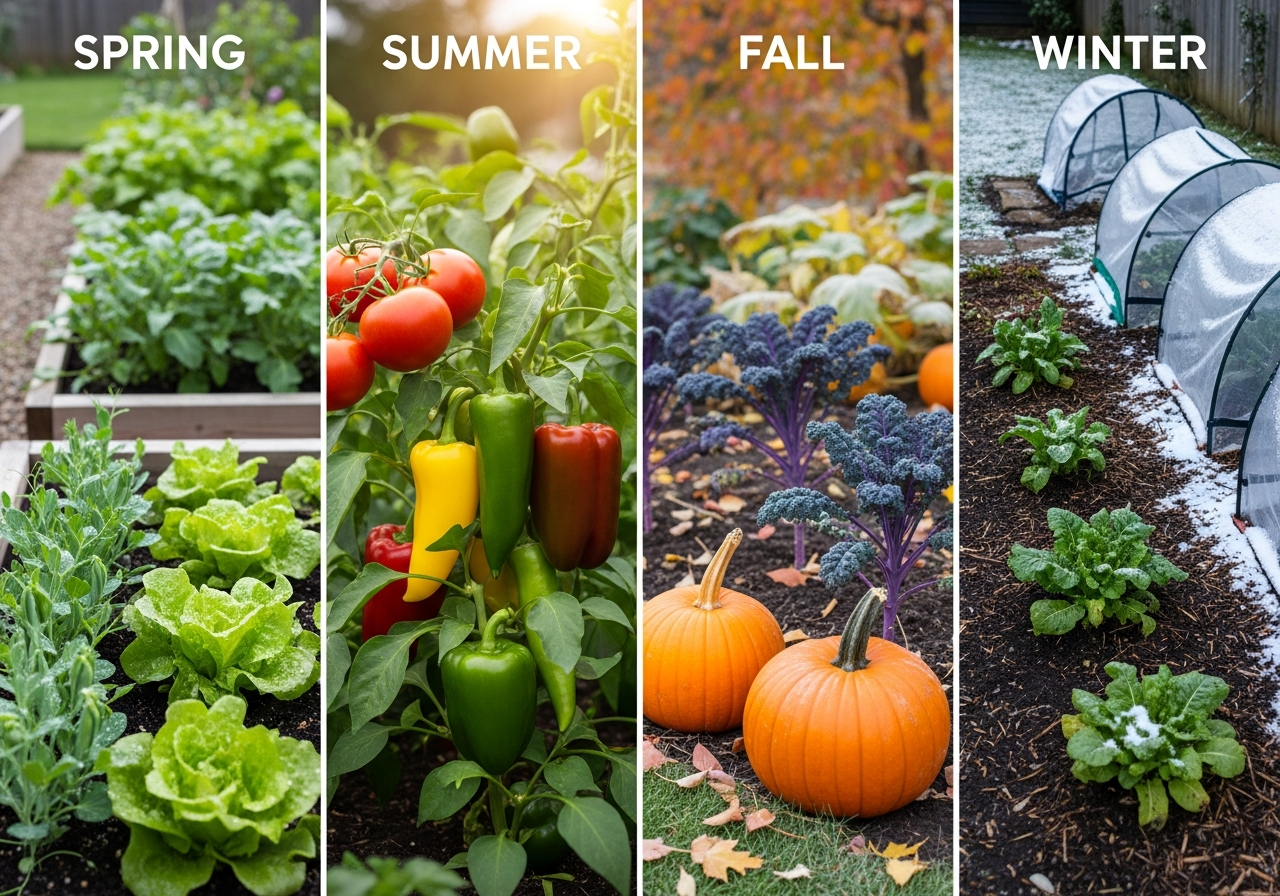
Spring: When Everything Wakes Up
Okay, so spring is literally the favorite time in the garden for most suburban growers. The weather's getting warmer, neighbors are finally back outside, and there's this energy in the air. This is when gardeners start getting serious about planting because the soil's warming up and everything wants to grow.
Early Spring (About 6 to 8 Weeks Before Your Last Frost)
These are the tough plants that can handle a little cold:
- Peas: Plant these as soon as the dirt can be dug without it being a muddy mess. They love cool weather, like 55 to 65 degrees. Pro tip: they make soil better for the next crop!
- Lettuce and Greens: Spinach, arugula, all that good salad stuff. Plant a new batch every couple weeks so there are always fresh greens. Game changer for summer BBQs.
- Root Veggies: Carrots, radishes, turnips. Radishes are perfect for beginners because they grow super fast, like 3 to 4 weeks. It's so satisfying!
- Broccoli, Cauliflower, Cabbage: Many gardeners buy starter plants for these. They need time to grow before it gets too hot, so don't wait too long.
Late Spring (After That Last Frost Date)
This is when gardeners plant all the fun stuff that needs warmth. Make sure the soil's at least 60 degrees before going crazy:
- Tomatoes: Wait until it stays above 50 degrees at night. Many gardeners learn this the hard way. Cold soil = sad tomatoes that just sit there doing nothing.
- Peppers: These guys need it even warmer, like 65 to 70 degrees. Using black plastic mulch can warm up the soil faster. Works like a charm.
- Cucumbers and Squash: Plant these once frost is totally done. They spread like crazy, so give them room. Planting too close is a common first year mistake and it can turn into a jungle.
- Beans: Both the bush kind and pole beans are super easy to grow from seed. They produce SO much that there's always extra to share with neighbors.
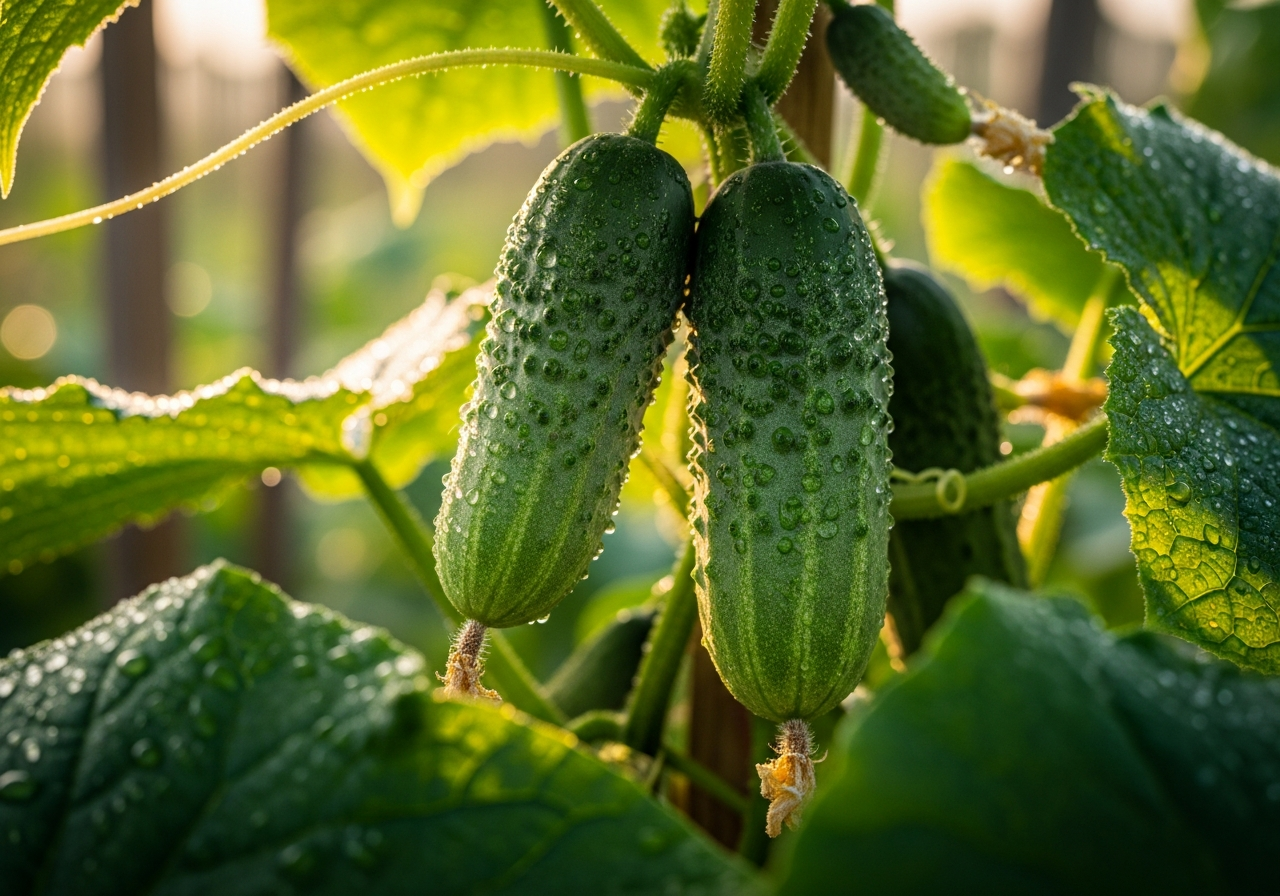
Summer: Harvest Mode and Planning Ahead
Summer is amazing because gardeners are finally eating all the stuff they planted in spring! But here's the thing: it's also important to think about fall while munching on those fresh tomatoes. It's weird to think about cooler weather when it's 85 degrees out, but future gardeners will thank their past selves.
Early Summer (June and July)
While picking all those spring veggies, here's what successful gardeners keep planting:
- Keep Planting More: Plant new beans, cucumbers, and squash every 2 or 3 weeks. This way, there's a steady supply instead of having way too much all at once and then nothing.
- Summer Greens: Regular lettuce hates the heat, but there are special heat loving varieties. Swiss chard is a go to for many. It handles summer like a champ.
- Herbs: Basil, cilantro, and dill love the heat. Plant them right next to tomatoes and peppers for easy grabbing when cooking. So convenient!
Late Summer (August)
This is when gardeners start thinking about fall. It seems early, but these plants need time to grow before it gets cold:
- Fall Broccoli and Cauliflower: Start seeds indoors now for transplanting when it cools down a bit.
- Greens Again: Plant lettuce, spinach, and kale now for fall picking. Fun fact: they actually taste better after a light frost. Something about the cold makes them sweeter.
- Root Veggies: Carrots, beets, and turnips go in now. They'll be ready for late fall and can be stored for winter.
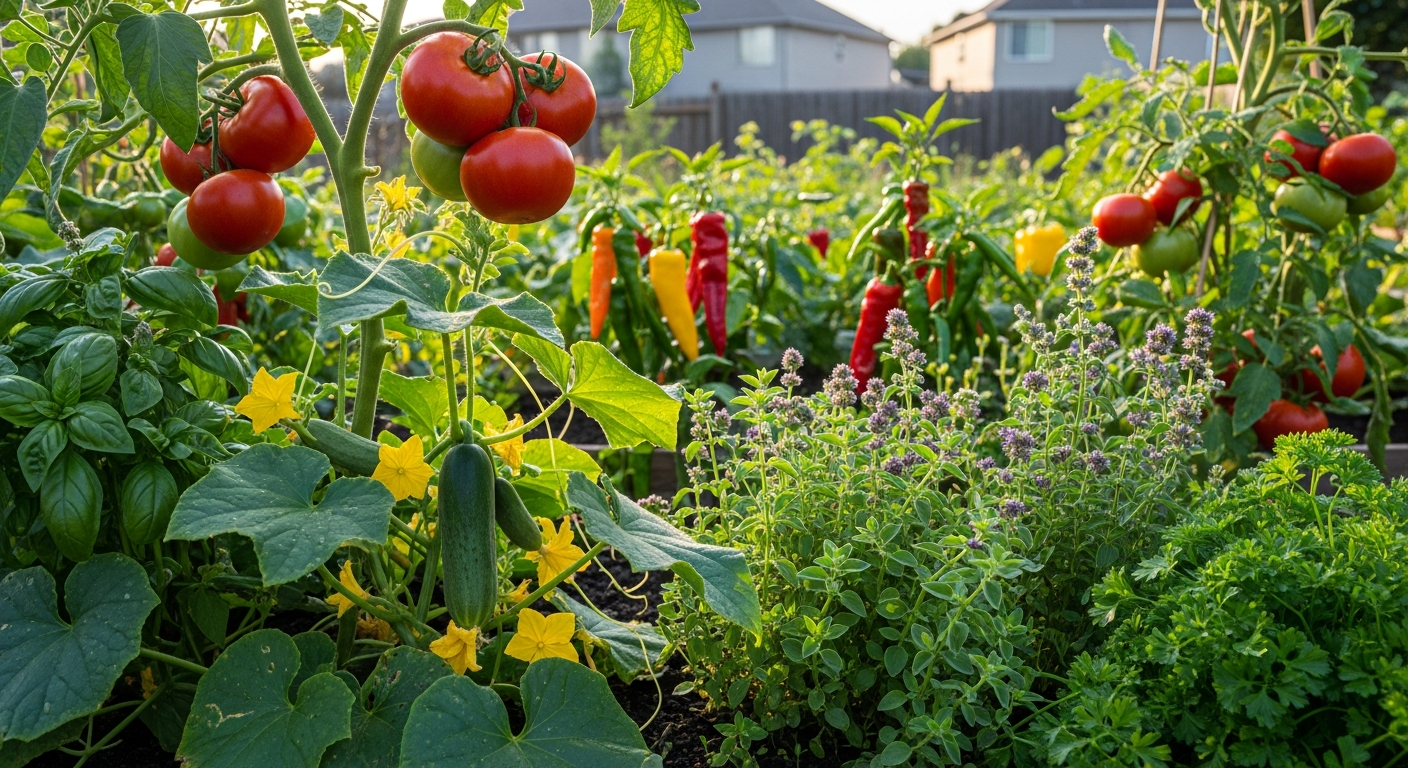
Fall: Honestly the Best Season
Fall gardening is seriously underrated. Way fewer bugs, less watering needed, and the veggies taste incredible. Plus, all the neighbors are outside doing yard work, so it's super social.
Early Fall (September and October)
- Garlic: Plant garlic cloves about 4 to 6 weeks before the ground freezes. They'll hang out all winter underground and then BAM, there's fresh garlic next summer. It's like future gardeners getting a present from their past selves.
- Cover Crops: Plant winter rye or clover in beds that aren't being used. It makes the soil way better and stops weeds from taking over. Win win.
- Hardy Greens: Kale, collards, and mustard greens get sweeter after frost. Noticeably sweeter. They can be picked well into winter too.
Late Fall (November)
- Row Covers and Cold Frames: These let gardeners keep growing even when it's getting cold. They can extend the season by weeks, sometimes months.
- Harvest and Store: Time to cure those winter squash and pumpkins. Root veggies go into storage. This is when there's real appreciation for having grown homegrown food.
- Protect Your Perennials: Put a thick layer of mulch over strawberries, asparagus, and perennial herbs so they survive winter and come back strong in spring.
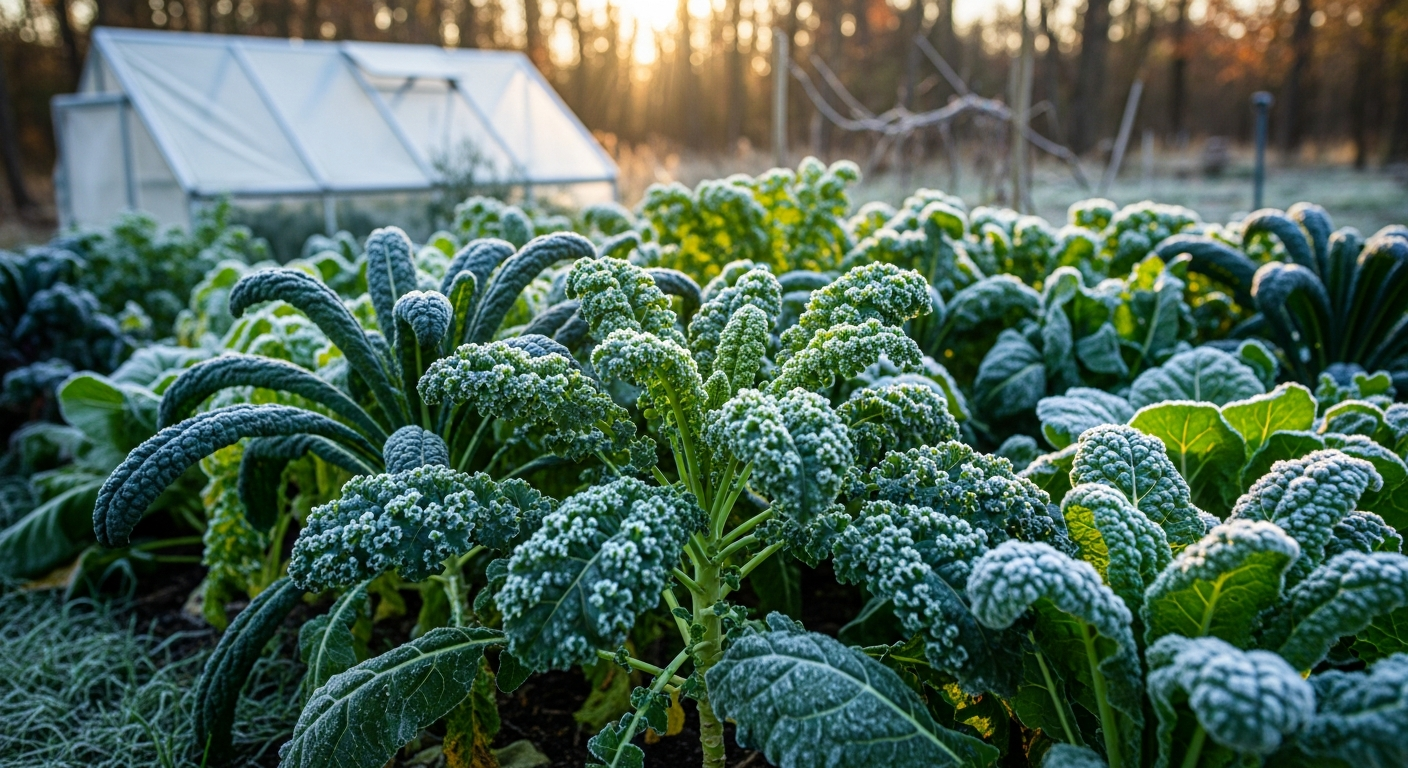
Winter: Cozy Planning Time (or Keep Growing!)
Winter looks totally different depending on where gardeners live. If they're somewhere warm, they can actually keep gardening. If they're in cold climates, it's more about planning and dreaming about next spring.
If You Have Mild Winters
- Keep Growing: Gardeners can literally keep growing lettuce, spinach, peas, and broccoli all winter in warmer zones.
- Root Veggies: Carrots, beets, and radishes can grow and get harvested throughout winter. Amazing, right?
- Onions for Spring: Plant onion sets now and there will be fresh onions super early in spring.
If You Have Cold Winters
- Seed Catalogs: This is a favorite winter activity for many. Go through all the notes from last year and order seeds. It's basically online shopping but for plants.
- Tool TLC: Clean, sharpen, and oil all garden tools. They'll work so much better next season and last way longer.
- Compost When You Can: On those random warm winter days, add compost to beds. This gets gardeners ahead of the game come spring.
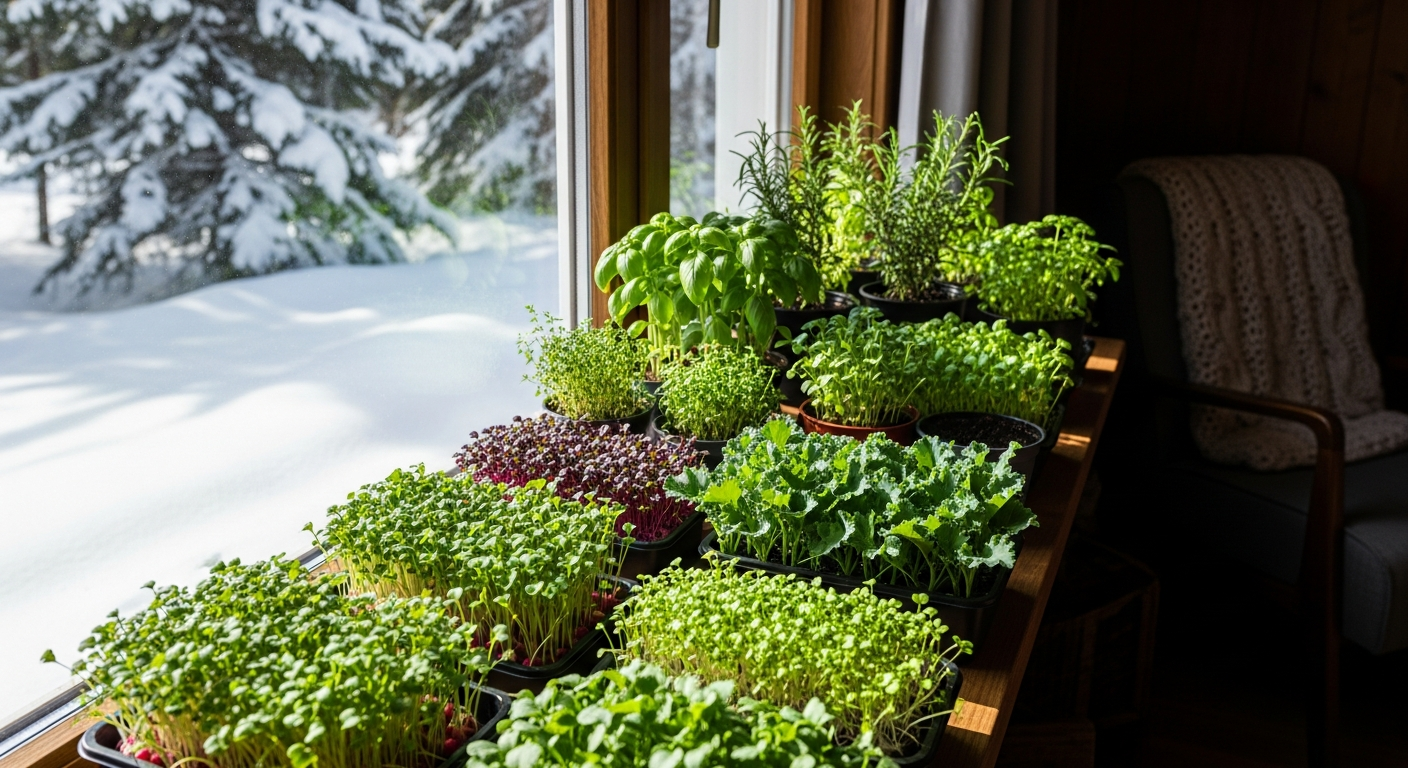
- Grow Stuff Inside: Growing microgreens and herbs on windowsills keeps the gardening spirit alive when there's snow outside.
Top Tips for Year Round Success
1. Know Your Frost Dates
Seriously, this is like the most important thing. Check when the last spring frost and first fall frost typically happen. This info can be found from local extension offices.
2. Plant in Waves
Instead of planting all lettuce or beans at once, spread it out every 2 or 3 weeks. Otherwise there will be way too many cucumbers one week and then nothing for the rest of summer. This is a common lesson learned by many gardeners.
3. Use Row Covers and Cold Frames
These simple tools can literally extend the growing season by weeks or even months. They're not expensive and they make such a difference. Many gardeners find they pay for themselves in the first season.
4. Take Care of Your Soil
Good soil = good plants. Add compost regularly, test soil pH once a year, and rotate what gets planted where. It sounds complicated but it's actually pretty simple once gardeners get into the rhythm.
Just Start Where You Are
Look, no one needs to do everything at once. Start with a few plants that sound fun. Maybe it's tomatoes, maybe it's herbs for cooking. Whatever gets gardeners excited. They'll learn as they go, make some mistakes (everyone does), and figure it out.
The best part? Every season is a fresh start. Gardeners get to try new things, meet neighbors who garden, and eat food they grew themselves. It honestly changes perspectives on where food comes from and builds amazing little communities right in the neighborhood.
Garden with MyHarvst.
Download the MyHarvst app, share, sell or buy your community's growth for the season and connect with local gardeners and local farmers in your area.
Download MyHarvst