What Are Annual Plants?
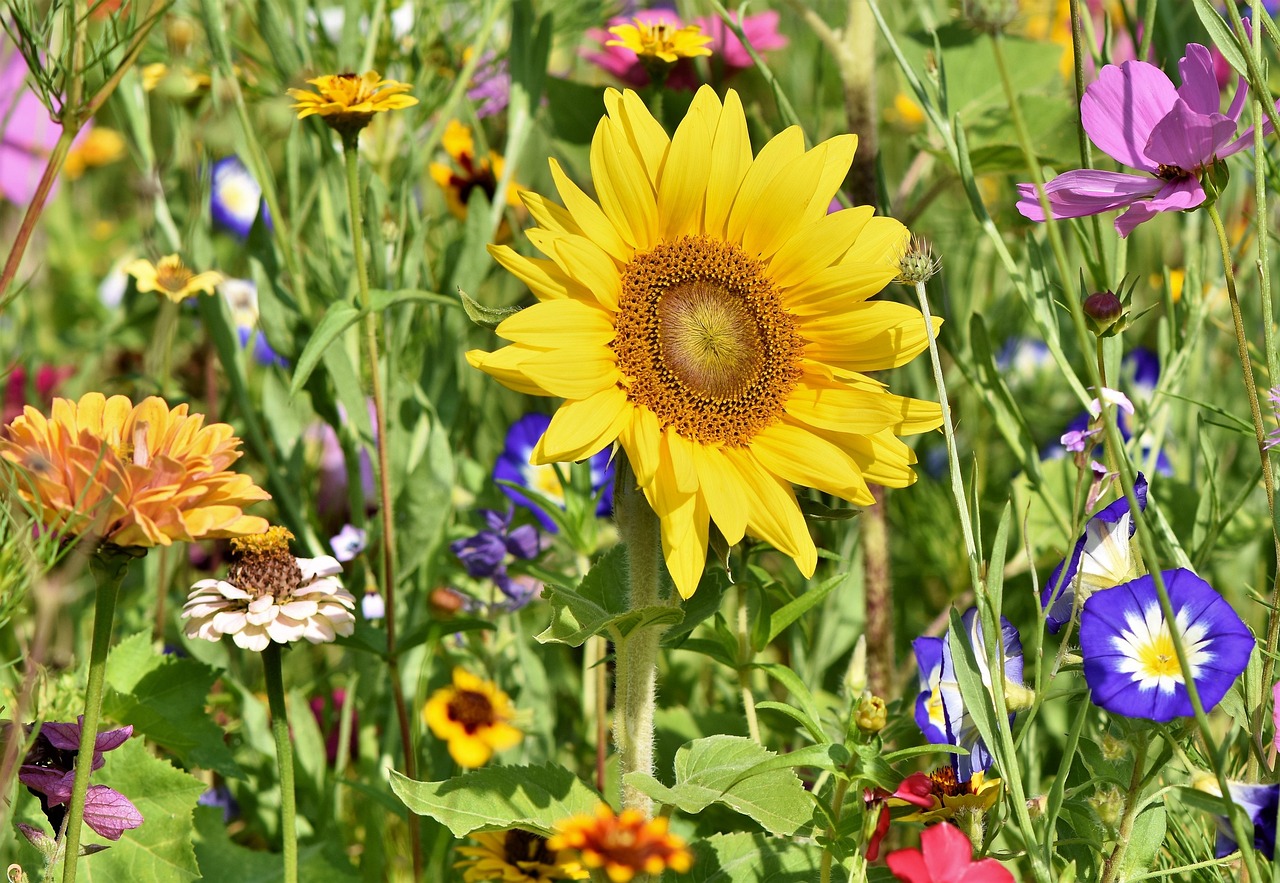
Annuals are the sprinters of the plant world. They live fast, bloom bright, and complete their entire life cycle in just one growing season. Gardeners plant them in spring, enjoy amazing flowers or harvests all summer, and then they're done when the first frost hits. It's like a one-season show that goes all out.
The thing is, annuals know they only have one shot, so they put everything into producing flowers and seeds. That's why they bloom so prolifically and why gardeners love them for instant color and quick results.
Popular Annual Examples
- Flowers: Zinnias, marigolds, petunias, impatiens, sunflowers. These are the plants that give suburban gardens that burst of color all summer long.
- Herbs: Basil is the classic example. Gardeners plant it in May, harvest it all summer, and it's toast by October. Cilantro and dill fall into this category too.
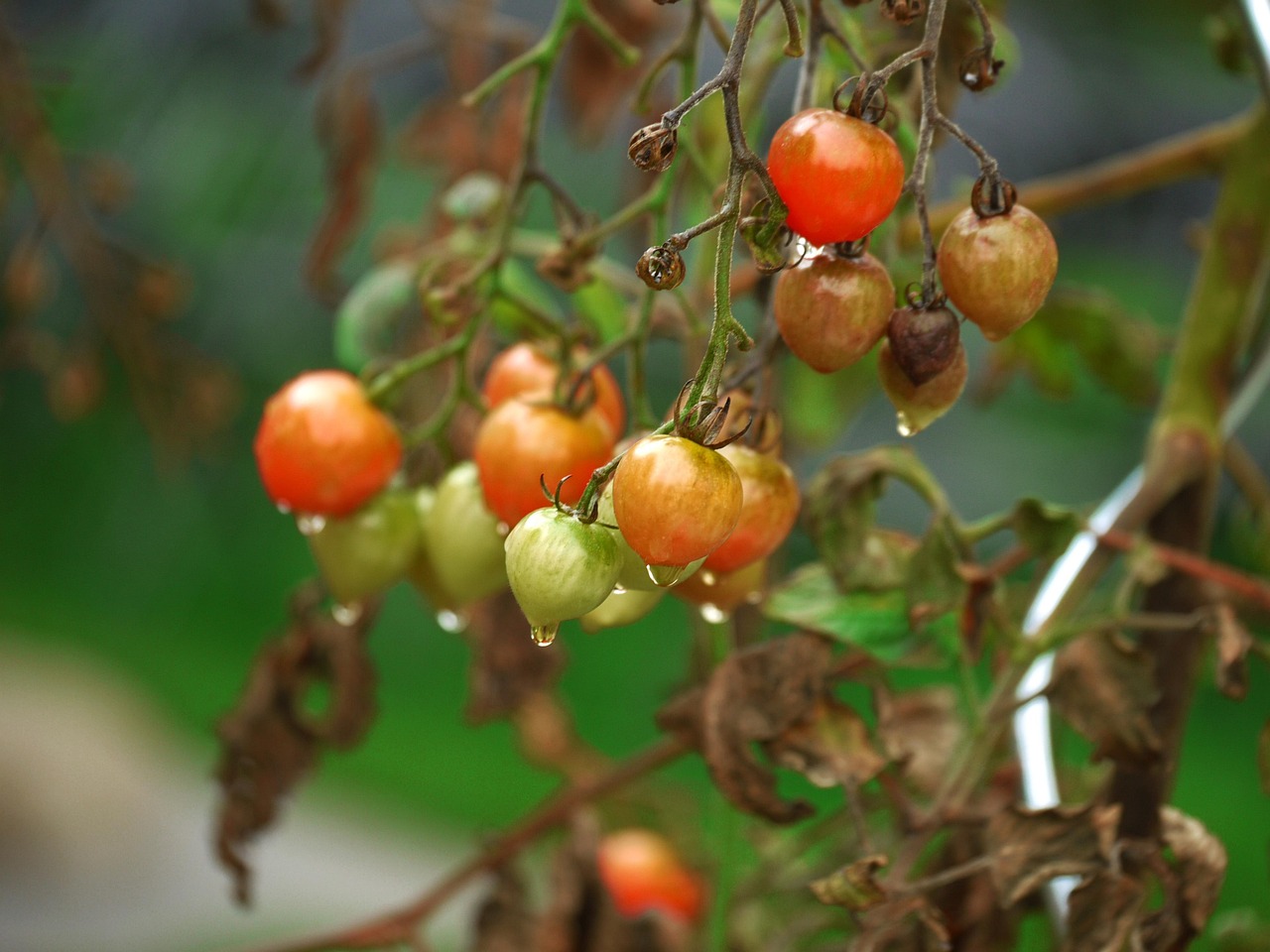
- Vegetables: Lettuce, tomatoes, peppers, cucumbers, beans. Pretty much everything gardeners plant in their veggie beds each spring are annuals.
The Upside of Annuals
Here's why suburban gardeners keep coming back to annuals year after year:
- Instant Gratification: Gardeners plant them in spring and many start blooming within weeks. Zinnias go from seed to flower in about 60 days. That's pretty satisfying.
- Non-Stop Color: Annuals bloom continuously from late spring until frost. They're the workhorses of container gardens and flower beds.
- Easy to Experiment: If a plant doesn't work out, gardeners can just try something different next year. There's no long-term commitment, which is great for gardeners who like to switch things up.
- Fresh Start Every Year: Gardeners get to redesign their space every spring. New color schemes, different varieties, whatever sounds fun.
The Downside of Annuals
Of course, there are some drawbacks:
- More Expensive Over Time: Buying new plants every single year adds up. Even if gardeners start from seed (which is cheaper), there's still the time and effort involved.
- More Work: Every spring means prepping beds, planting, and getting everything established again. It's not huge, but it's definitely more effort than perennials.
- Shorter Season: One frost and they're done. There's no coming back next spring, so gardeners have to start from scratch.
What Are Perennial Plants?
Perennials are the long-term investment of the garden world. Gardeners plant them once, and they come back year after year after year. Some perennials can live for decades if they're happy. They're like the friend who's always there, reliably showing up every spring.
Here's the thing though: perennials take their time. The first year, they focus on establishing roots. Many don't even bloom much in year one. But once they're settled? They become these amazing, reliable producers that return every spring without any extra work.
Popular Perennial Examples
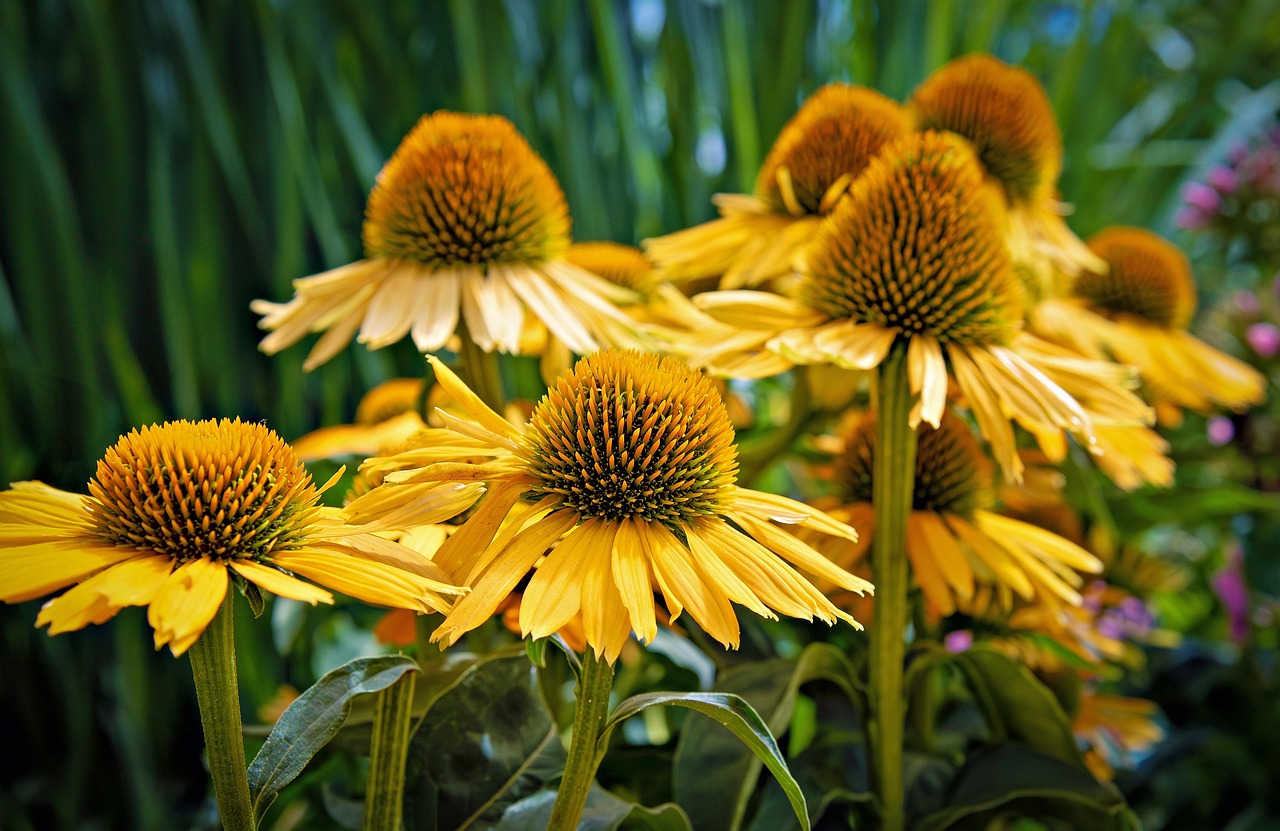
- Flowers: Lavender, echinacea (coneflowers), black-eyed Susans, daylilies, hostas. These are the backbone of many suburban flower gardens.
- Herbs: Rosemary, thyme, oregano, mint (watch out, mint spreads like crazy), sage. Gardeners plant them once and harvest for years.
- Vegetables: Asparagus, strawberries, rhubarb, artichokes. These are less common in backyard gardens but totally worth it if gardeners have the patience.
The Upside of Perennials
Perennials have some serious advantages:
- Save Money Long-Term: Yes, they cost more upfront, but over five or ten years? Way cheaper than buying annuals every spring.
- Less Work: No replanting every year. Gardeners only need to do some basic maintenance like dividing plants every few years and cleaning up dead growth in fall or spring.
- Build Better Soil: Their deep root systems improve soil structure and help prevent erosion. They're basically doing soil work while gardeners sleep.
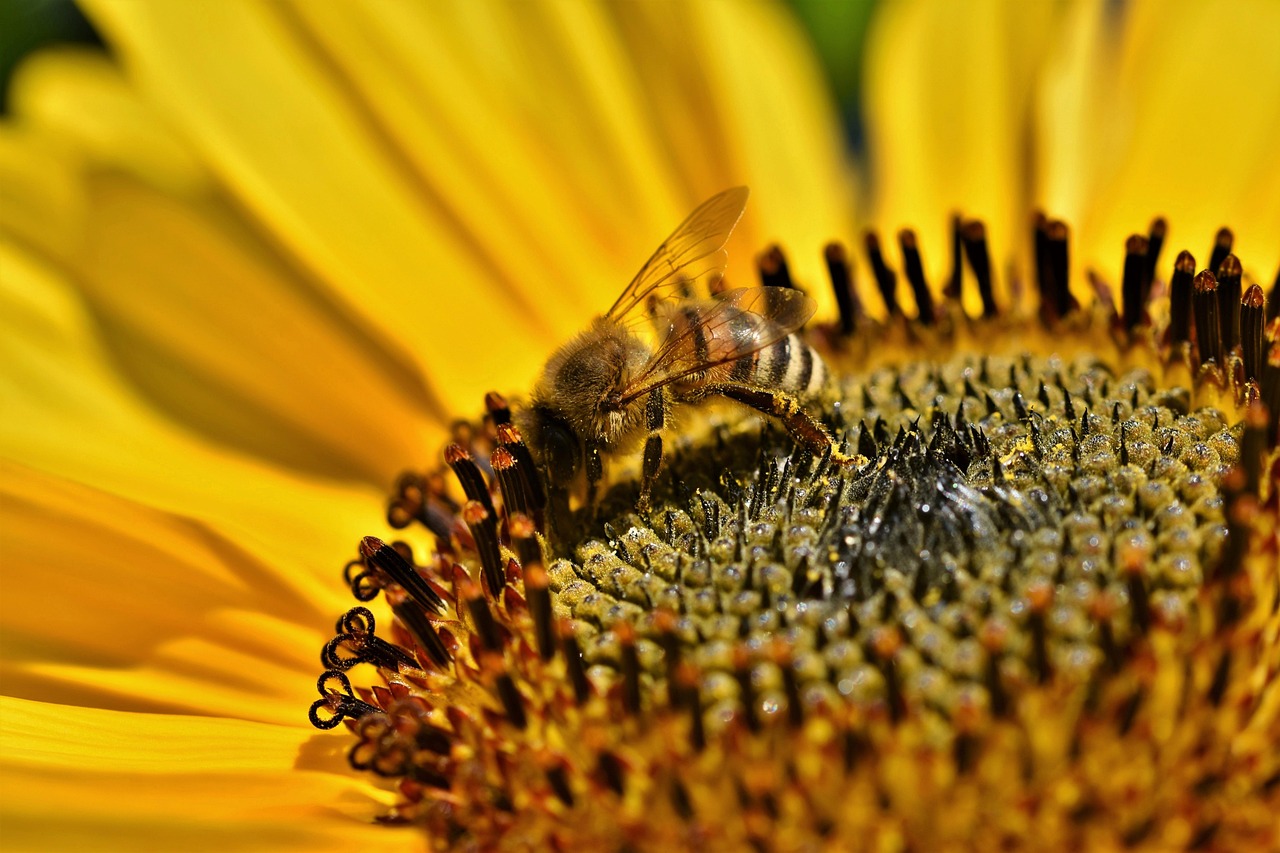
- Attract Pollinators: Perennials tend to be pollinator magnets. Bees, butterflies, and hummingbirds love them, which helps the whole garden thrive.
- Get Better With Age: Many perennials actually get bigger and more productive each year. That small lavender plant becomes this massive, fragrant shrub over time.
The Downside of Perennials
They're not perfect though:
- Slower Start: That first year can be a little disappointing. There's a saying: "First year they sleep, second year they creep, third year they leap." It takes patience.
- Shorter Bloom Time: Most perennials bloom for just a few weeks, not all season like annuals. Gardeners need to plant a variety to have blooms from spring through fall.
- Space Commitment: Once a perennial is in the ground, it claims that spot. Moving them is possible but it's work, and some don't like being disturbed.
- Winter Dormancy: In cold climates, perennials die back completely in winter. The garden can look pretty bare for months.
What About Biennials?
Okay, so there's actually a third category that doesn't get talked about as much: biennials. These plants have a two-year life cycle. First year, they grow leaves and roots. Second year, they flower, set seed, and then die. It's like they're playing the long game but not quite as long as perennials.
Common Biennial Examples
- Flowers: Foxgloves, hollyhocks, sweet William. These create stunning vertical interest in gardens.
- Vegetables: Carrots, parsley, and some onions. Although many gardeners treat carrots and parsley as annuals by harvesting them before they flower.
Here's the trick with biennials: if gardeners want continuous blooms, they need to plant them two years in a row. That way, some are blooming while others are establishing. Once that cycle is going, there's a new show every year.
So How Do Gardeners Choose?
The honest answer? It depends on what gardeners want from their space.
Choose Annuals If:
- Gardeners want color NOW and lots of it
- They like changing up their garden design every year
- They're working with containers or small spaces that need maximum impact
- They enjoy the ritual of spring planting and don't mind the yearly routine
Choose Perennials If:
- Gardeners want a low-maintenance garden that takes care of itself
- They're thinking long-term and want plants that get better with age
- They want to save money over time
- Supporting pollinators is a priority
Or Better Yet: Mix Both!
Most experienced suburban gardeners end up with a combination. Perennials form the reliable backbone, the structure that returns every year. Then annuals fill in the gaps and add pops of color. It's the best of both worlds.
For example, someone might plant lavender, echinacea, and ornamental grasses as perennials, then tuck zinnias and marigolds in between for continuous summer color. Or they might have an asparagus and strawberry bed (perennials) and a separate annual veggie garden with tomatoes and lettuce.
Building Community Around Plants
One of the coolest things about mixing annuals and perennials? It creates so many opportunities to connect with neighbors. Perennials often need dividing every few years, which means extra plants to share. Many suburban gardeners trade divisions with neighbors, swapping hostas for daylilies or sharing lavender cuttings.
And annuals? They're perfect for sharing harvests. When someone's zinnia bed is going crazy or their tomato plants are producing like mad, there's always extra to give away. The MyHarvst app makes it easy to post what gardeners have available and connect with neighbors who'd love some fresh basil or a bouquet of marigolds.
It's these little exchanges that turn a neighborhood into a real community. Plus, sharing plants and tips helps everyone's gardens do better. Someone might mention that their perennial bee balm attracts tons of pollinators, and suddenly three other neighbors are planting it too. Before long, the whole block has this amazing ecosystem supporting bees and butterflies.
The Bottom Line
There's no wrong choice between annuals and perennials. Both have their place in suburban gardens, and understanding the differences helps gardeners make choices that match their goals, budget, and the amount of time they want to spend.
Annuals are the instant gratification plants that bloom their hearts out for one glorious season. Perennials are the patient investments that return year after year with less work and lower cost over time. Most gardeners find that a mix of both creates the most interesting, productive, and beautiful spaces.
The real key is to start somewhere and learn by doing. Gardeners can try a few annuals this year, add some perennials next spring, and see what works. Gardens evolve over time, just like the gardeners tending them. And that's honestly part of the fun.
Garden with MyHarvst.
Download the MyHarvst app to share, sell or buy the community's growth for the season and connect with local gardeners and local farmers.
Download MyHarvst