Why Pollinators Matter
Here's the thing about pollinators: they're basically free labor that makes gardens way more productive. Every time a bee lands on a flower or a butterfly flutters by, they're transferring pollen from plant to plant. That pollination is what creates fruits, vegetables, and seeds.
Without pollinators, many suburban gardens would produce almost nothing. No tomatoes, no cucumbers, no squash, no apples. Honestly, about a third of the food people eat depends on pollinators. So creating a space they love to visit isn't just good for the garden, it's genuinely important for the whole food system.
Plus, watching bees buzz around lavender or seeing a butterfly land on coneflowers is just really satisfying. It means the garden is healthy and part of a bigger ecosystem. And that feels good.
Sunflowers: The Ultimate Bee Magnet
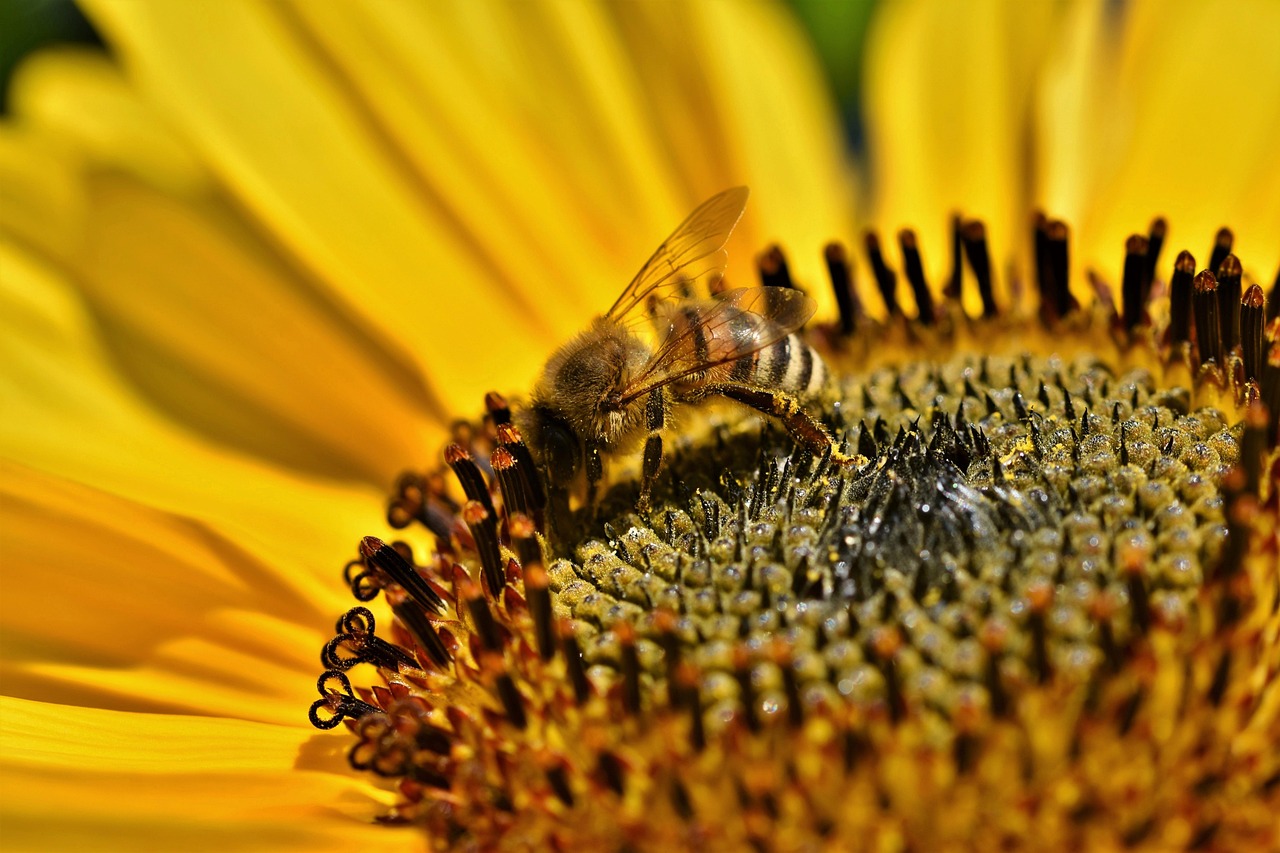
Sunflowers are like bee magnets. Those big, bold blooms are packed with pollen and nectar, and bees can spot them from far away. Planting a few sunflowers creates quite a show. There will be bees buzzing around constantly from morning to evening.
The best part? Sunflowers are ridiculously easy to grow. Gardeners can drop some seeds in the ground after the last frost, give them sun and occasional water, and they basically take care of themselves. They grow fast, some varieties reaching 6 feet or more. Kids especially love watching them shoot up throughout the summer.
One heads up though: sunflowers are heavy feeders. They pull a lot of nutrients from the soil. Many gardeners rotate where they plant sunflowers each year or add compost to keep the soil healthy. Otherwise, plants in that spot next year might struggle a bit.
Lavender: Long Blooming and Low Maintenance
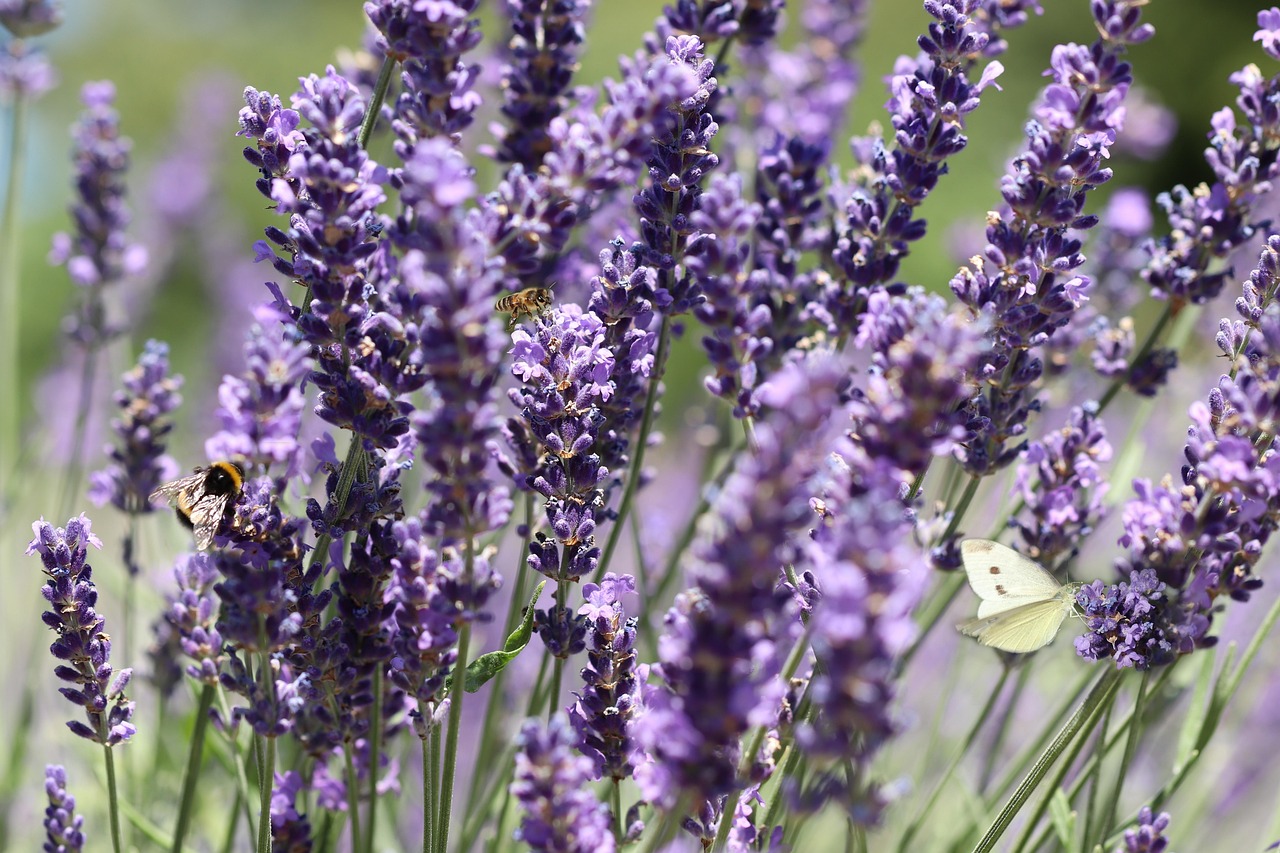
Lavender is one of those plants that checks every box. It blooms for months, smells amazing, looks beautiful, and pollinators absolutely love it. Bees go crazy for lavender, and butterflies like it too. It's a total win.
The other great thing about lavender is that it's drought tolerant once established. After the first year, it barely needs watering. It actually prefers drier conditions, which makes it perfect for those parts of the yard that don't get much attention.
Here's a tip: lavender grows best when planted in full sun with well-draining soil. It hates wet feet. In heavy clay soil, many gardeners add sand or plant it in a raised bed. Following these practices helps lavender come back bigger and fuller every year. After a few years, that small lavender plant becomes this big, fragrant shrub covered in purple blooms. So good.
Coneflowers (Echinacea): Butterfly Favorites
Coneflowers are native to North America, which means they're perfectly adapted to local conditions. They're tough, they bloom all summer long, and butterflies can't get enough of them. Walk past a coneflower patch on a sunny day and there's a good chance a butterfly or two will be hanging out.
Bees like coneflowers too, but butterflies really go for them. The flat, open blooms are perfect landing pads, and the nectar is easy to access. Plus, coneflowers come in tons of colors now: pink, purple, white, orange, red. Gardeners can mix and match to create these really vibrant displays.
Another bonus: birds love coneflower seeds. Many suburban gardeners leave the spent blooms on the plant in fall instead of cutting them back. Goldfinches especially will come snack on the seeds through autumn and winter. It's this nice little ecosystem benefit that keeps giving.
Zinnias: Fast, Bright, and Pollinator Friendly
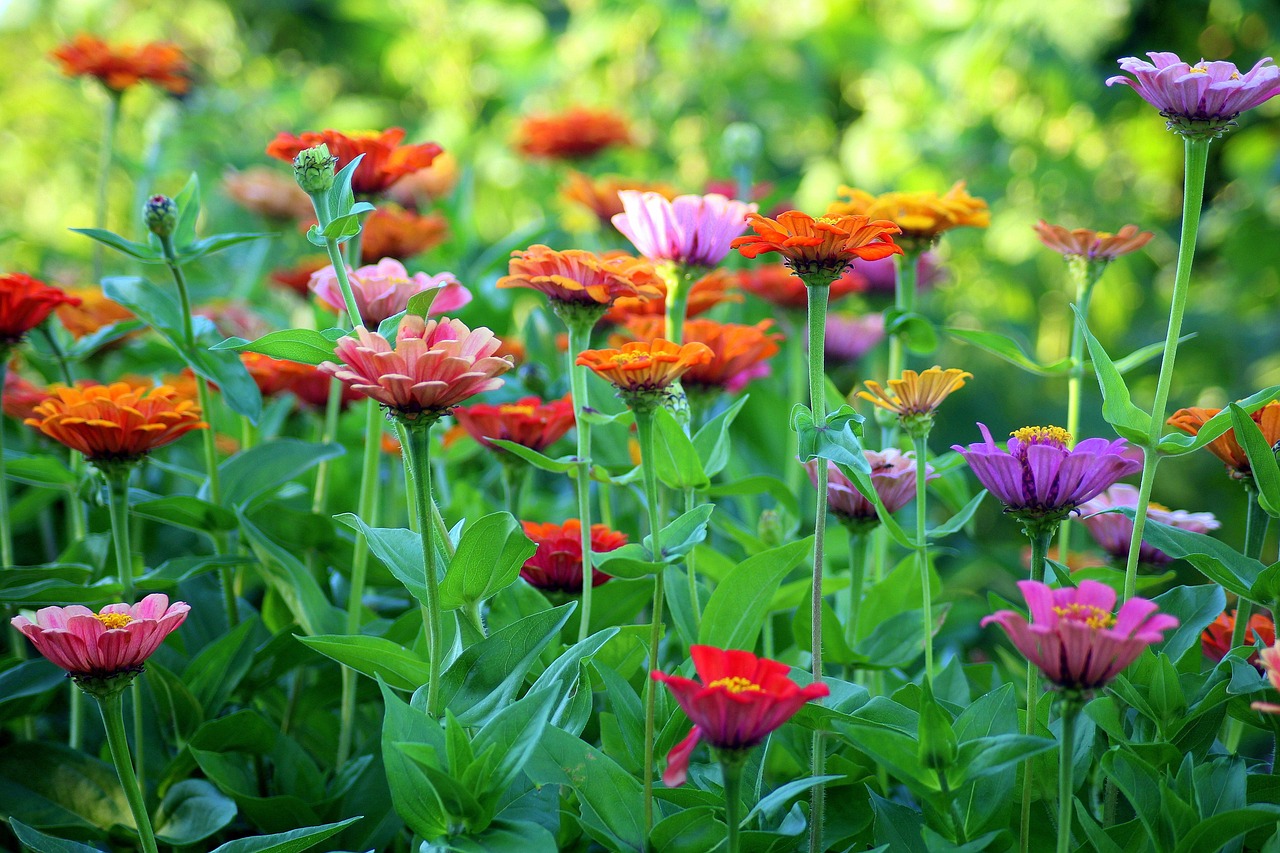
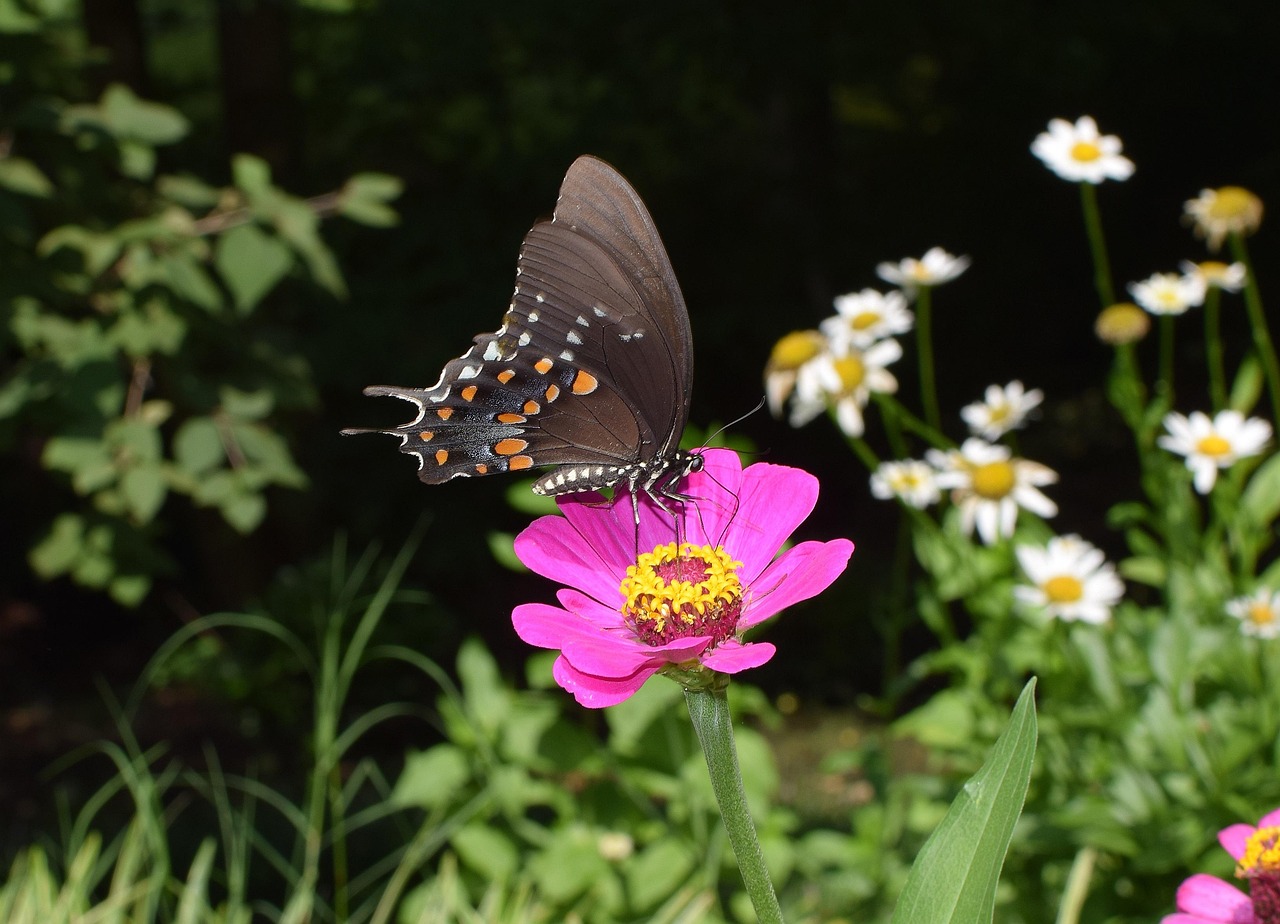
Zinnias are the workhorses of pollinator gardens. They bloom fast (like 60 days from seed), they bloom continuously all summer, and they're super easy to grow. Butterflies and hummingbirds both love them, which is a pretty special combo.
The trick with zinnias is planting them in full sun and deadheading regularly. Deadheading just means pinching off the spent blooms. Regular deadheading keeps the plant pumping out new flowers. Skipping it means the plant starts focusing on making seeds instead of flowers. Just a few minutes once a week keeps them looking great and attracting pollinators.
Zinnias also make excellent cut flowers. Many gardeners plant extra just for bouquets. Cutting them in the morning and sticking them in a vase means they'll last a week easy. And here's the cool part: the more gardeners cut, the more the plant blooms. It's like the plant wants to keep producing.
Bee Balm: Living Up to Its Name
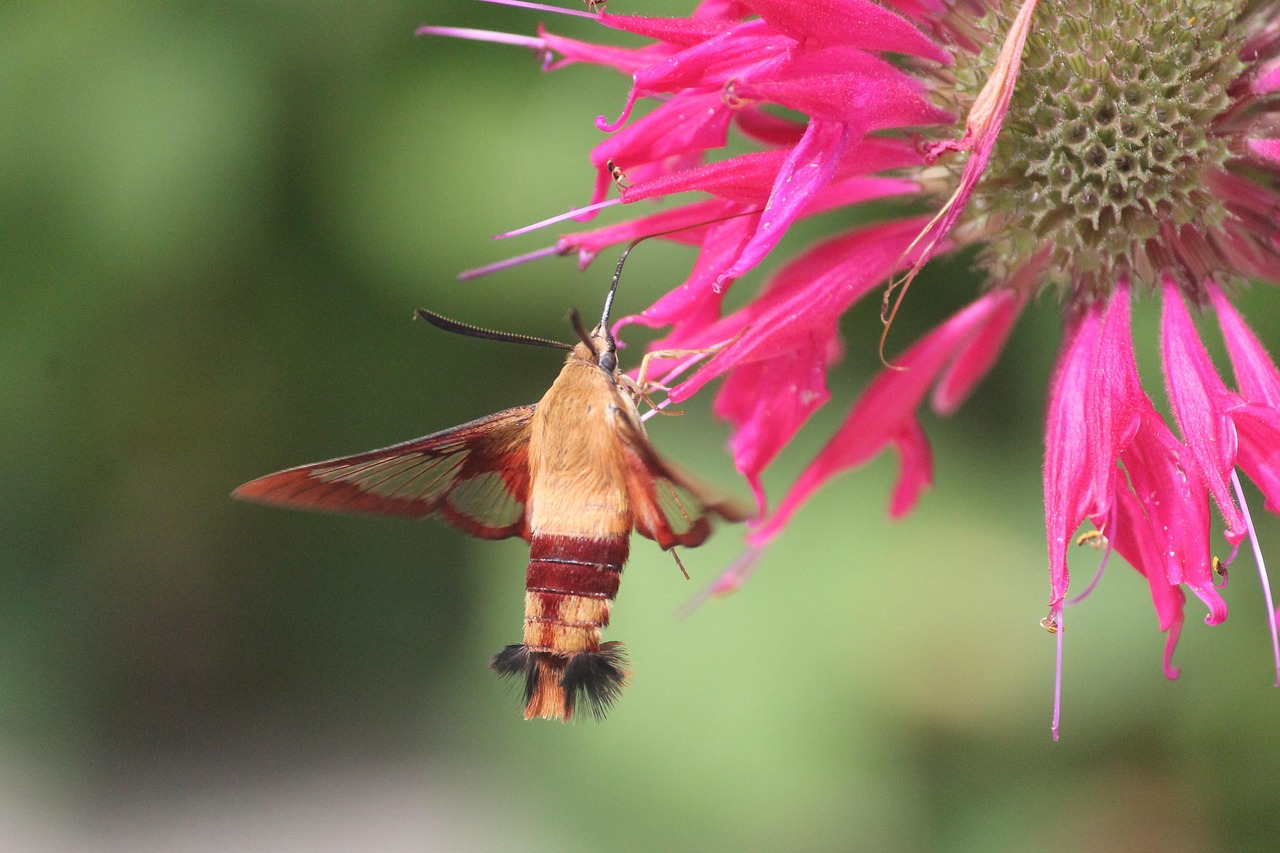
Bee balm is another native plant that does exactly what its name suggests: it attracts bees like crazy. But it also brings in hummingbirds, which is a real treat. Watching hummingbirds zip around the garden is honestly one of the best parts of summer.
Bee balm spreads through underground runners, so it can take over if gardeners aren't careful. Many people plant it in a spot where it's okay for it to spread, or they divide it every couple years to keep it in check. But that spreading habit also makes it easy to share with neighbors. Gardeners can simply dig up a chunk in early spring and hand it over.
The flowers come in red, pink, purple, and white. They bloom in mid to late summer, right when a lot of other flowers are starting to fade. That timing helps keep pollinators fed throughout the season.
Creating a Pollinator-Friendly Garden
Planting the right flowers is a great start, but there are a few other things that really help pollinators thrive:
Plant in Clusters
Pollinators are way more likely to visit when there are multiple plants of the same type grouped together. Instead of one sunflower here and one there, plant five sunflowers in a cluster. Same with lavender or coneflowers. It creates these visual beacons that say "lots of food here!" to passing bees and butterflies.
Skipping Pesticides
This is huge. Many common garden pesticides kill bees and butterflies along with the pests. Even organic options can be harmful. If there's a pest problem, many experienced gardeners try handpicking or using targeted solutions like insecticidal soap on specific plants. Keeping the whole garden pesticide free creates a safe space for pollinators.
Providing Water
Pollinators need water just like any other creature. A shallow dish with some pebbles or marbles in it works great. The pebbles give bees and butterflies a place to land while they drink. Change the water every few days to keep it fresh and prevent mosquitoes from breeding.
Let Some Areas Go Wild
Native bees often nest in the ground or in hollow plant stems. Leaving a corner of the yard a little messy (with some bare soil, leaf litter, and dead plant stalks) gives native bees places to nest. It might look a bit wild, but it's actually super helpful for local pollinator populations.
Plant for Continuous Blooms
Successful pollinator gardeners aim to have something blooming from early spring through late fall. Early spring flowers like crocuses and native wildflowers feed bees emerging from winter. Late season bloomers like asters and sedum keep pollinators fed as they prepare for winter. The more continuous the food source, the healthier the local pollinator population.
Building a Pollinator Neighborhood
One of the coolest things that happens when gardeners start planting for pollinators is that neighbors notice. Someone plants a bunch of sunflowers and suddenly there are monarch butterflies visiting. The neighbor across the street sees them and plants zinnias. Before long, the whole block is buzzing with activity.
The MyHarvst app makes it easy to share what's working. Gardeners can post about which flowers are attracting the most pollinators, or offer divisions of bee balm and coneflowers to neighbors. These little exchanges build community and create these pollinator corridors through neighborhoods. Instead of isolated patches, there are connected gardens that support way more bees and butterflies.
And honestly, it's not just about the pollinators. It's about creating neighborhoods where people notice the monarchs migrating through, where kids get excited about hummingbirds, where there's this shared appreciation for nature right in the backyard. That's what makes suburban gardening really special.
Start Simple
Creating a pollinator garden doesn't require a huge investment or massive space. Starting with a few plants works well: maybe some zinnias from seed, a lavender plant or two, and a handful of coneflowers. Planting them in a sunny spot, skipping the pesticides, and watching what happens is often the best approach.
The pollinators will come. Bees will buzz, butterflies will flutter, and maybe even a hummingbird will stop by. And every one of those visits helps the garden produce more food and creates a healthier ecosystem right in the neighborhood.
That's the real beauty of pollinator gardening. It's simple, it's rewarding, and it makes a genuine difference. Plus, it looks beautiful and smells amazing. What's not to love?
Garden with MyHarvst.
Download the MyHarvst app to share, sell or buy the community's growth for the season and connect with local gardeners and local farmers.
Download MyHarvst